
When couples start searching for a wedding venue, they tend to focus on the obvious things: the setting, the capacity, what is included in the rental. Those things matter. But there is another factor that shapes the entire experience of planning and celebrating a wedding, one that rarely shows up in a venue's marketing materials but consistently appears in the reviews of the ones people love most.
That factor is who actually runs the place.
What a Corporate Venue Feels Like
Corporate-run venues are not inherently bad. Many of them are well-organized, professionally staffed, and reliably managed. But there is a quality to the experience that couples frequently describe in the same terms: transactional, efficient, interchangeable.
When you are one of dozens of couples rotating through a venue in a given year, that is how the process tends to feel. The contract is standard. The communication follows a template. The team on the day of your wedding may be people you have never met. Everything works, but nothing feels like it was designed specifically for you.
What a Family-Owned Venue Feels Like
Family-owned venues operate differently not because they follow a different rulebook, but because the people running them have a fundamentally different relationship to what they are doing. When a family has built something and invested in it and continues to show up for it every day, that investment shows up in the details.
Continuity
With a family-owned venue, the person you speak to during your first inquiry is often the same person who walks you through the property on your tour, answers your questions during planning, and is present on the day of your wedding. That continuity of relationship is something corporate venues structurally cannot offer.
Genuine Investment in the Outcome
A family that hosts weddings on their own property has a stake in the outcome that goes beyond the contractual. Their reputation is not managed by a corporate communications team; it lives in the reviews that real couples write after the experience. That accountability produces a different kind of attention.
Flexibility Where It Counts
Family-owned venues tend to be more willing to have a real conversation about your specific situation. The policies are real, but so is the humanity behind them. When something unexpected comes up, and something always does in wedding planning, a family-run team is more likely to work with you toward a solution than to point you to a clause in your contract.
What the Reviews Actually Say
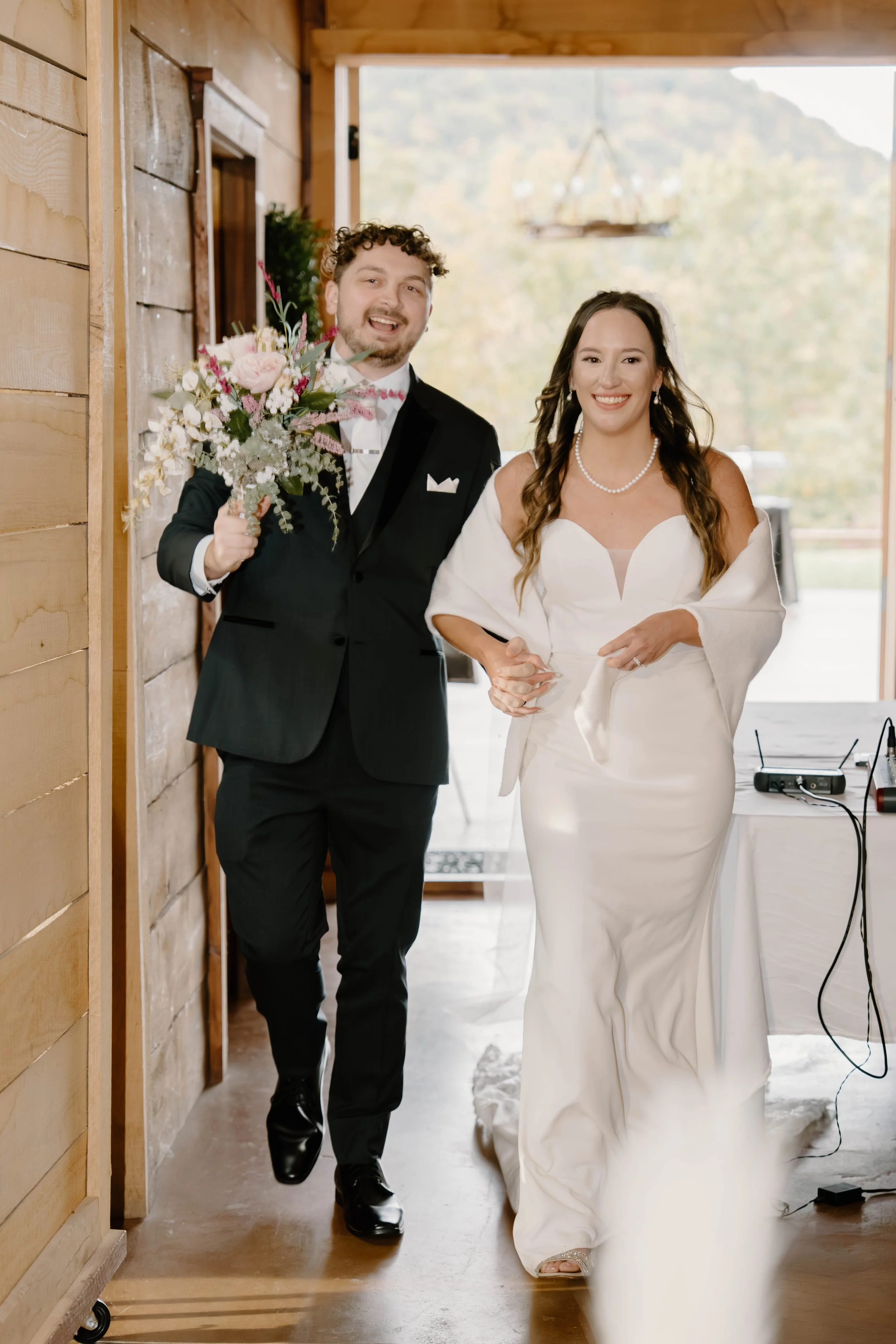
The most telling evidence for the difference between corporate and family-owned venues is in the reviews. Read enough of them and patterns emerge. Couples who book corporate venues tend to describe their experience in terms of logistics: things went smoothly, the food was good, the timeline was followed. Couples who book family-owned venues tend to describe their experience in terms of feeling: they made us feel so taken care of, it felt like they genuinely wanted us to have a perfect day, we felt like we mattered.
That distinction is not small. On one of the most significant days of your life, feeling like you matter is not a luxury. It is the point.
8360 IvyLog and What Family Ownership Looks Like in Practice
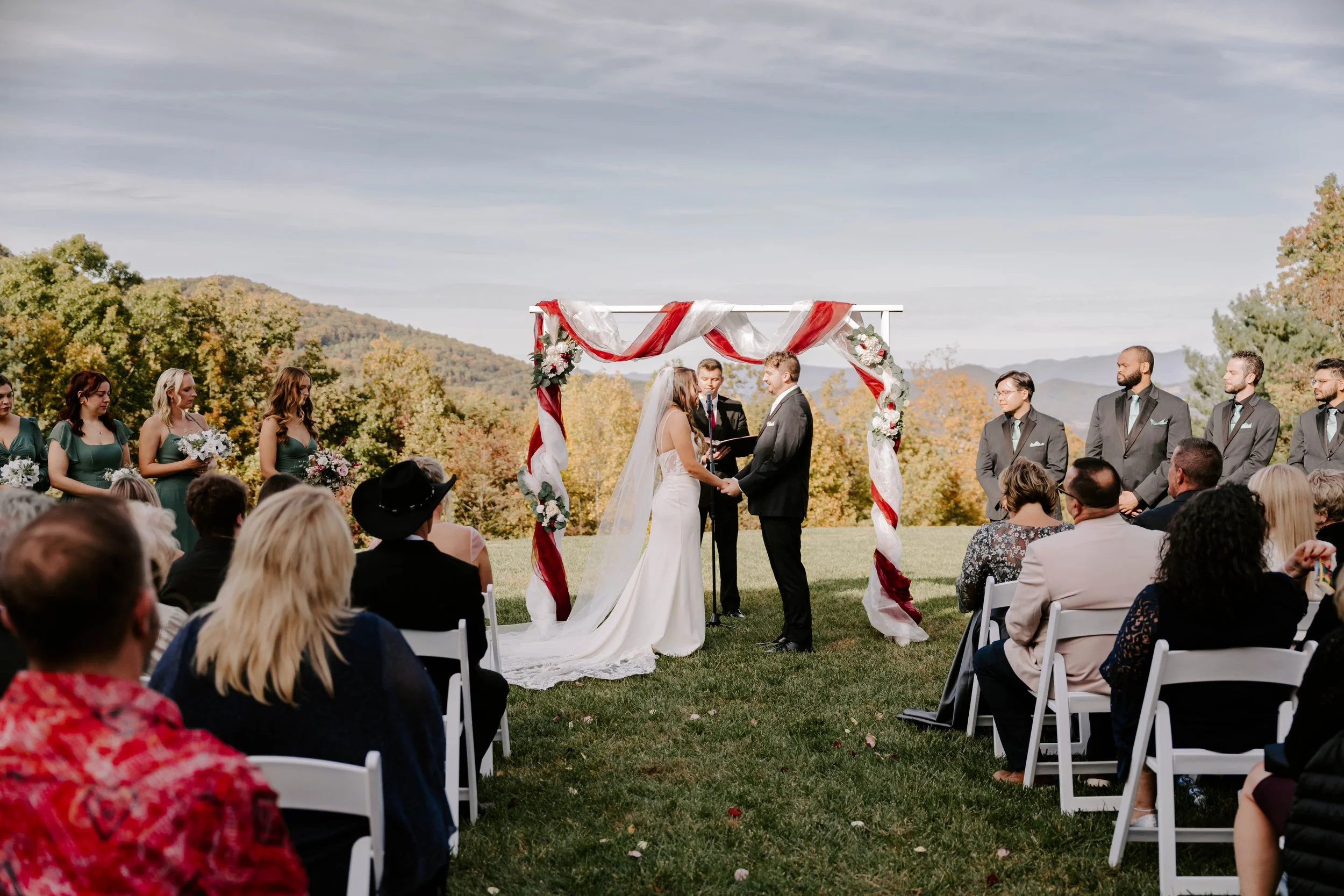
8360 IvyLog is a family-owned and operated wedding venue on 70 scenic acres in Young Harris, Georgia. The property was built and is maintained by a family that treats every wedding hosted there as its own celebration, not as an entry on a booking calendar.
What Couples Experience
From the first inquiry through the final send-off, couples who book 8360 IvyLog consistently describe the experience in the terms that matter: personal, warm, unhurried, and genuinely caring. The five-star ratings across Google, The Knot, WeddingWire, and Facebook are not the result of a marketing strategy. They are the result of a family that shows up.
A Property Built with Intention
The venue's spaces reflect the same care. The Mountainview Lawn, the Covered Pavilion, the Reception Barn, and the private getting-ready suite were all designed to work together as a single, cohesive experience. Exclusive weekend access, an open vendor policy, and included essentials like tables, chairs, setup, and a venue manager all reflect an approach to hospitality that prioritizes the couple's experience over operational convenience.
How to Evaluate a Venue's Culture Before You Book
Before signing a contract with any wedding venue, take a few steps that go beyond reviewing the photo gallery.
Read the reviews carefully, not just the star ratings. Look for language that describes how the team made couples feel, not just what went well logistically.
Ask who will be your primary contact throughout the planning process and who will be on-site on your wedding day. If the answer involves multiple handoffs, take note.
Pay attention to how quickly and personally they respond to your initial inquiry. The way a venue communicates before you book is usually a reliable preview of how they will communicate after.
Visit in person and notice how the property feels when someone from the family walks you through it. That energy is what your guests will experience on your wedding day.
Conclusion
The venue you choose sets the tone for everything: the planning process, the day itself, and the memories your guests take home. A beautiful setting can be found in many places. A team that genuinely cares about your celebration is rarer, and worth looking for deliberately.
8360 IvyLog offers both. If you are ready to experience the difference, download the pricing brochure and schedule a tour of the property in Young Harris, Georgia.